Accessing Disability Culture
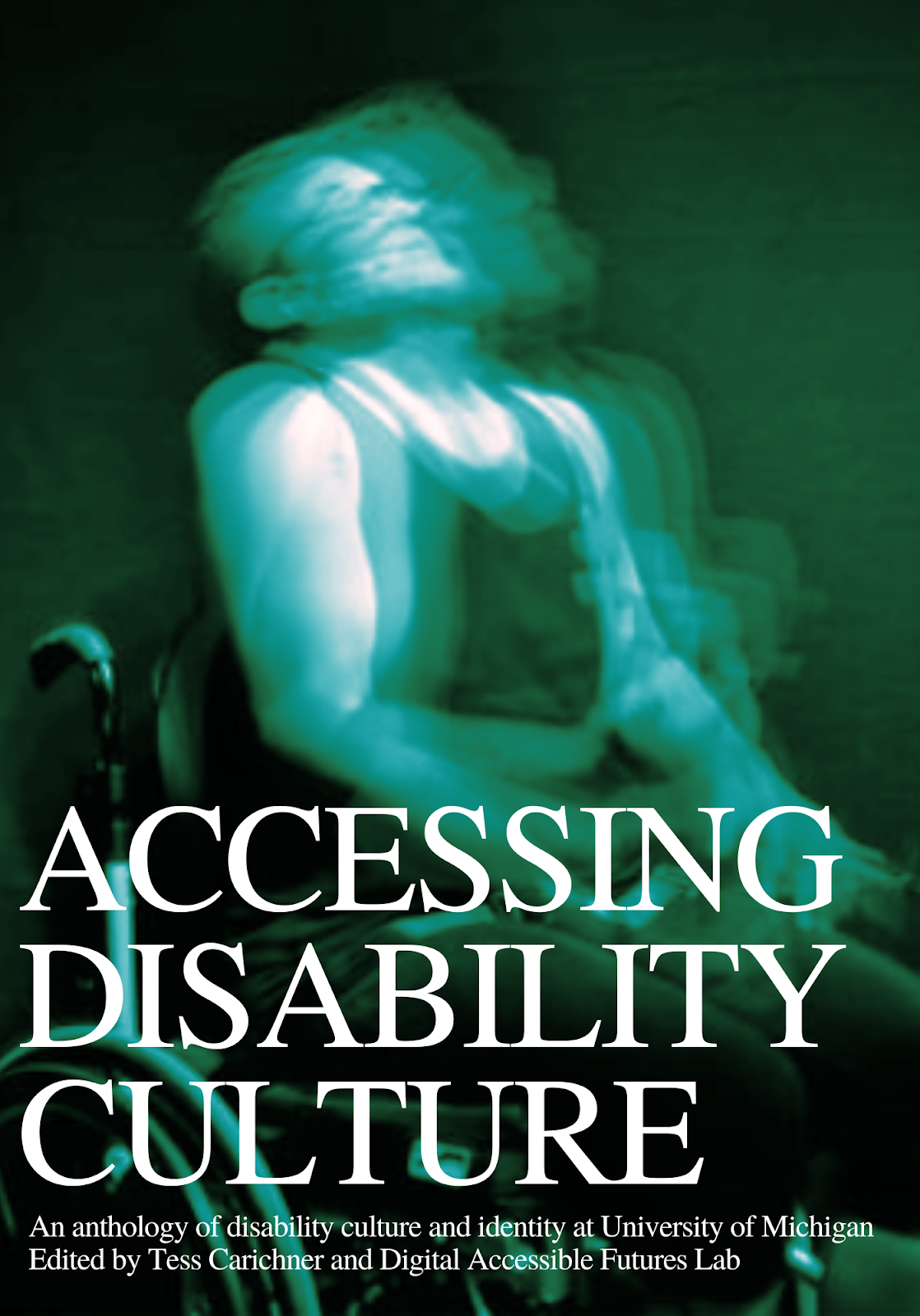
Accessing Disability Culture is a reflection of experience, resistance to ableism, and documentation of disabled / neurodivergent / chronically ill / Deaf students at the University of Michigan. The idea for the project evolved over several years, but first sprouted during the Summer of 2022, when I was being mentored by Dr. Remi Yergeau through the Women and Gender Summer Fellowship Program. As a part of my project, I read Loud Hands: Autistic People Speaking, and was enamored as a young neurodivergent student, to see how artfully the “voice” of autistic identity was reclaimed and wielded by the authors of this work. Who better to tell our stories than ourselves? Just before this book, I had read Asperger’s Children, and continued diving into autistic history, consequently mourning the generations of medical abuse, social death, and erasure of autistic and other disabled kin ancestors. How, I began to wonder, are ableist structures within academic institutions, or any other institution, to change, when dominant narratives on disability are not dictated by the people they affect the most? My hope is that Accessing Disability Culture is a way of translating our realities as disabled students into the understanding of not only allies looking to contribute to the advancement of disability equity, but also to other disabled students searching for a disability cultural anchor at University of Michigan.
You will notice an array of positionalities, identities, and opinions in this anthology, which reflects the diverse nature of the disability community. Additionally, you will distinguish the variety of mediums - photography, installation, essay, poetry, digital design, and more. A prerequisite to inclusion in this collection was accessibility and freedom of diverse expression in the submission. Throughout each step of the process, accessibility experts in the Digital Accessible Futures lab worked alongside contributors to make pieces accessible. Additionally, in our call for submissions, we specifically focused on keeping prompts relatively open, noting our values for intersectional experiences and accessibility, but trusting in the direction of individual creators. As a result, the themes are nuanced and intertwined, depicting disabled embodiment and life, grappling with inaccessibility of the University as disabled students subjected to academic ableism, and asserting crip wisdom, joy, interdependency, and overall - disability culture. In Accessing Disability Culture, we control our own narratives. Disabled students of the University of Michigan celebrate community, acknowledge the distance between our current experiences and disability justice, and dream of an accessible future.
Sincerely,
Tess Carichner, lead editor of Accessing Disability Culture
-
Charlie Reynolds
A Discarded People, The Unnatural Conversion of Energy, and Contemplating Movement
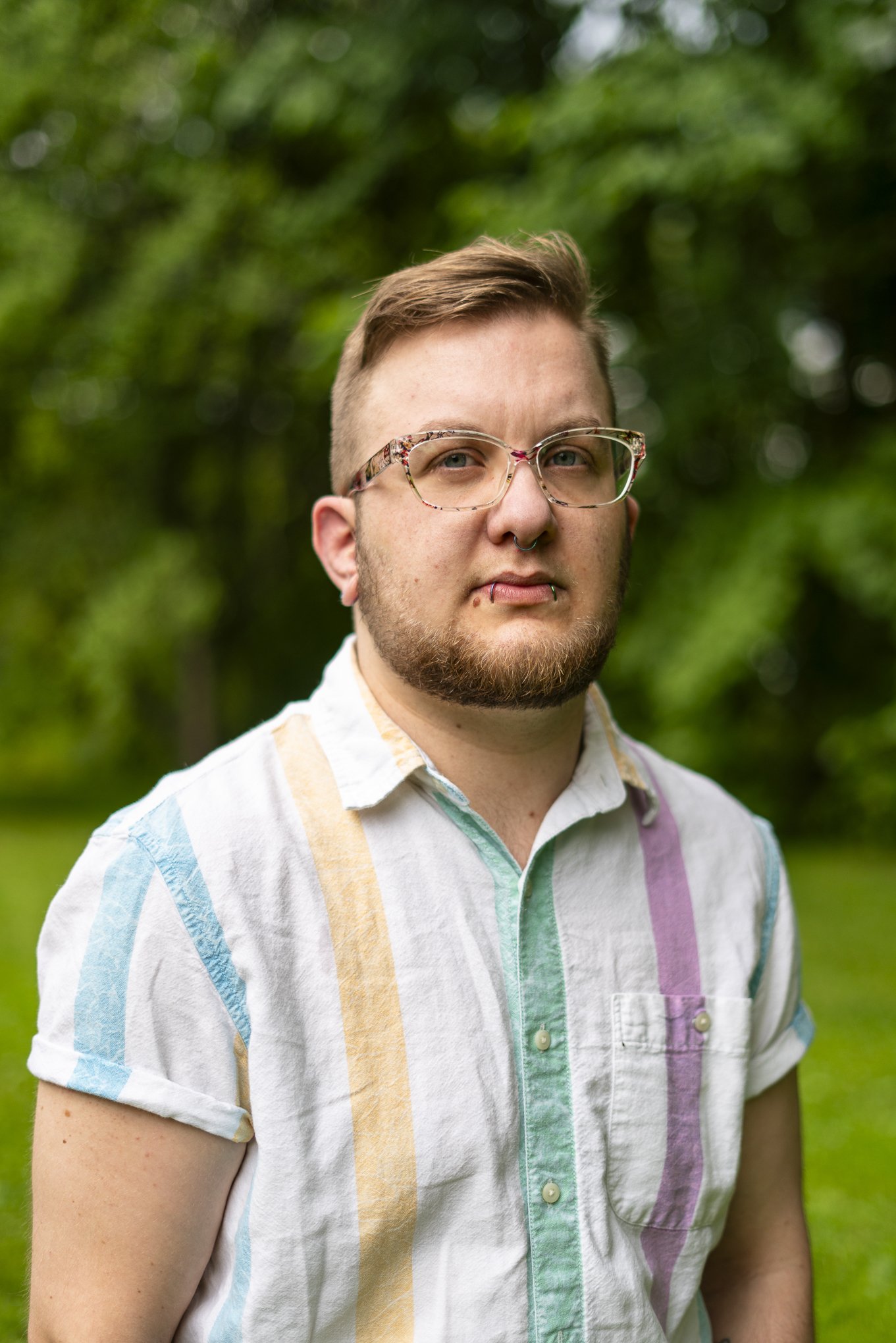
Charlie Reynolds (he/him) is a conceptual artist who explores themes of war, gender, and disability using fibers, installations, and sculpture. During his time at the University of Michigan, Charlie hopes to expand his practice with a specific interest in weaving, hand dyeing, and quilting.
-
Madeline Ferris
I Bite My Tongue
Madeline Ferris (she/her)
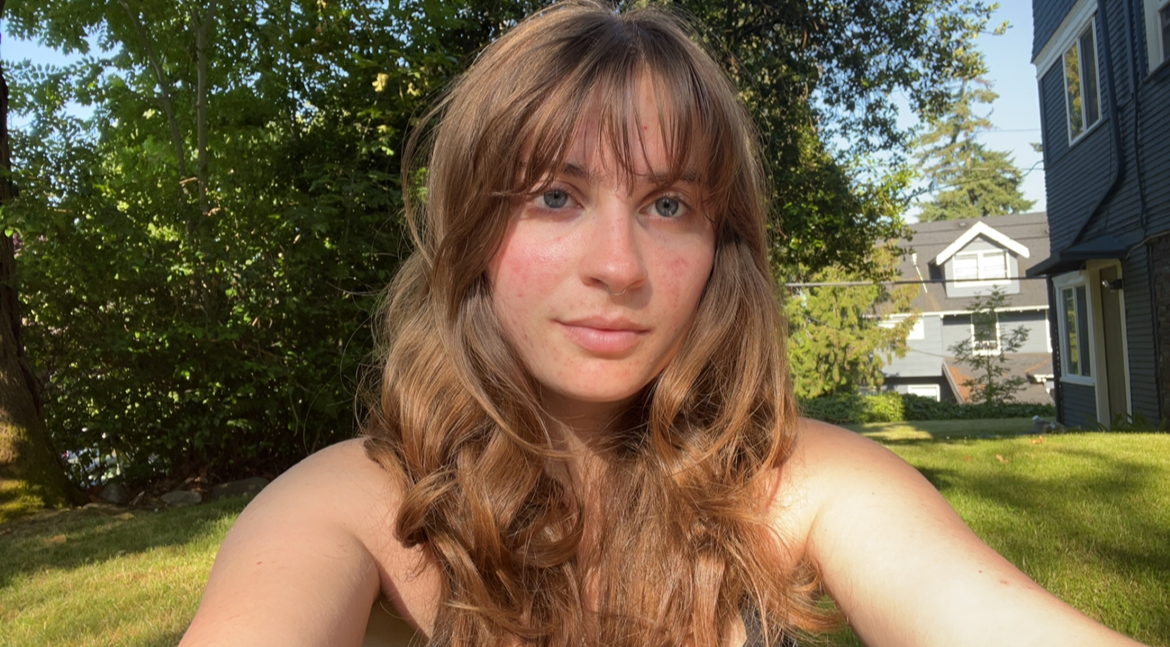
I'm a junior in nursing school. I'm originally from California. When I graduate I'd like to be a pediatric nurse.
-
em laffey
Migraine (2020)
I am an undergraduate and first-generation college student studying Political Arts, including painting, poetry, and photography. I recently transferred from a community college in the suburbs of Chicago. My studies revolve around social issues, specifically institutional, as I also plan to study civil rights in law school after undergrad. I also work at the Institute for Research on Women and Gender here at the university and as an art teacher back home.
-
Tess Carichner
Ode to Headphones
Tess Carichner (she/her) is the editor of Accessing Disability Culture, a research assistant in the Digital Accessible Futures Lab, and a junior at the University of Michigan School of Nursing. Tess' passion is in understanding ableism in healthcare spaces, especially ableism perpetuated against autistic women and gender diverse people. She hopes to pursue further education and research in relation to anti-ableist healthcare practice and curriculum. When not in class or planning her next disability justice event as the founder of Disability Justice @ Michigan, Tess can be found thrifting her outfits, listening to audiobooks, showing people pictures of her dog (Toni), and collaging with recycled books.
In Ode to Headphones (2023), Carichner reflects on a piece of technology that, while casual in presentation, actually creates sensory access in her everyday life as an autistic person. The brief interaction in which an instructor urgently recognizes a piece of "casual" tech as an assistive device is an uncommon, yet necessary example of sensory needs being validated. Lastly, Carichner reflects on the user's regard of assistive devices, as the headphones become a part of the routine, the experience, and even the user herself.goes here
-
Anna Xianyu Bochenek
This is UMich
Anna Xianyu Bochenek (she/her)
I am a first-year undergraduate student in the college of LSA. I was born in Donyang, China, and grew up in Rochester Hills, Michigan. I plan to major in neuroscience on a pre-med track while continuing to be an advocate for disability justice. My hobbies include singing, playing the ukulele, connecting with my Chinese heritage, and spending time with my Shih Tzu dog named Holly!
-
Atlas Etienne
Labels.
Atlas Etienne (they/them) is a Junior at the University of Michigan. They were born and raised in Miami, Florida, and are passionate about music, writing, and social justice. When they're not dedicating all their waking hours to schoolwork, they enjoy spending time with their friends, family, and their partner, Ryn.
-
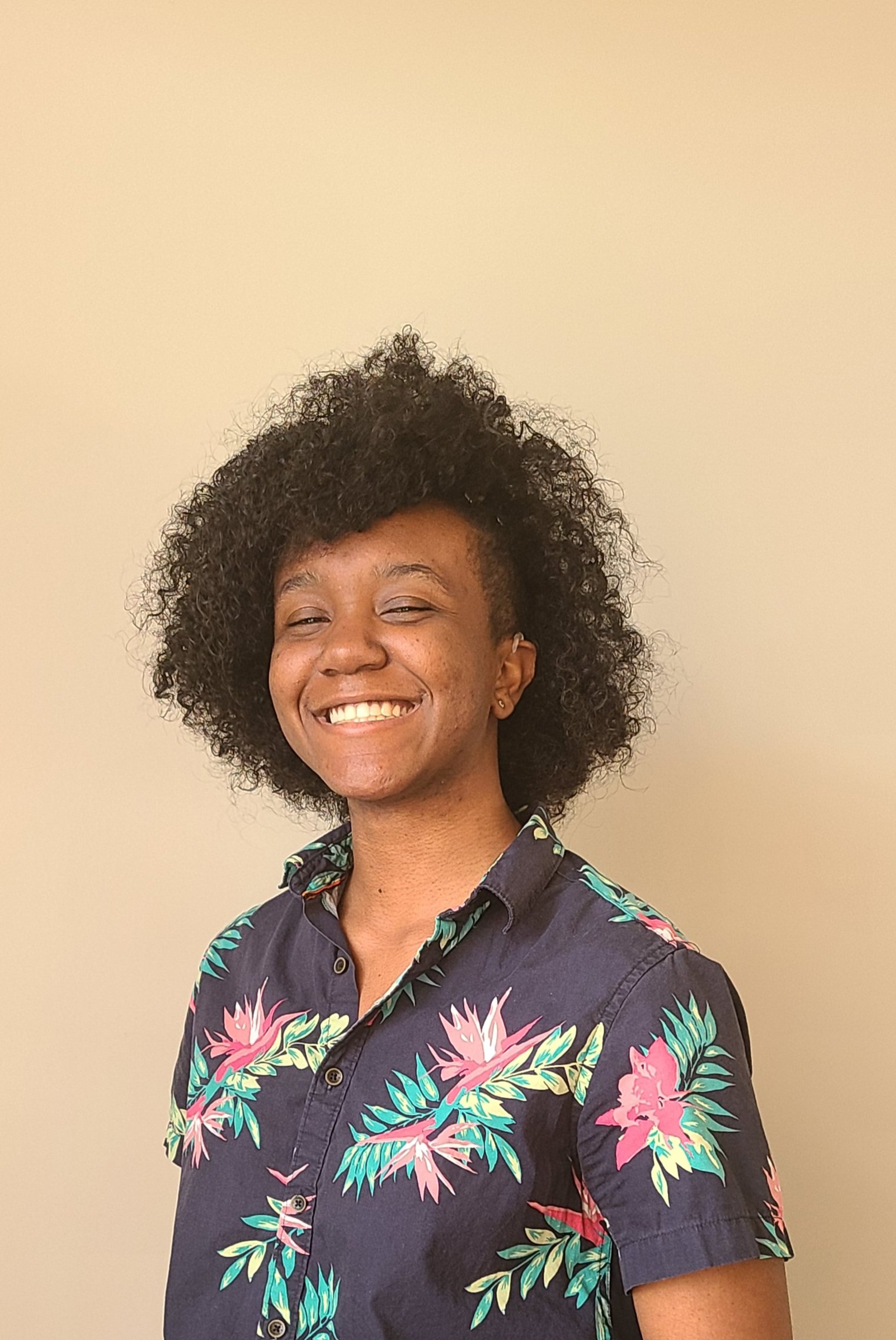
Peninnah Posey
Memoir to Epilepsy
I'm currently in my fourth year (senior year yay!). I'm a student at STAMPS.
-

Sophie Maloney
The Dissection
I am a first year medical student from rural upstate New York, where I grew up on a horse farm. I received an undergrad degree in math from Dartmouth and then worked in software development. I am interested in topology, ontology, and rural medicine. In my free time I like to hike and bike.
-
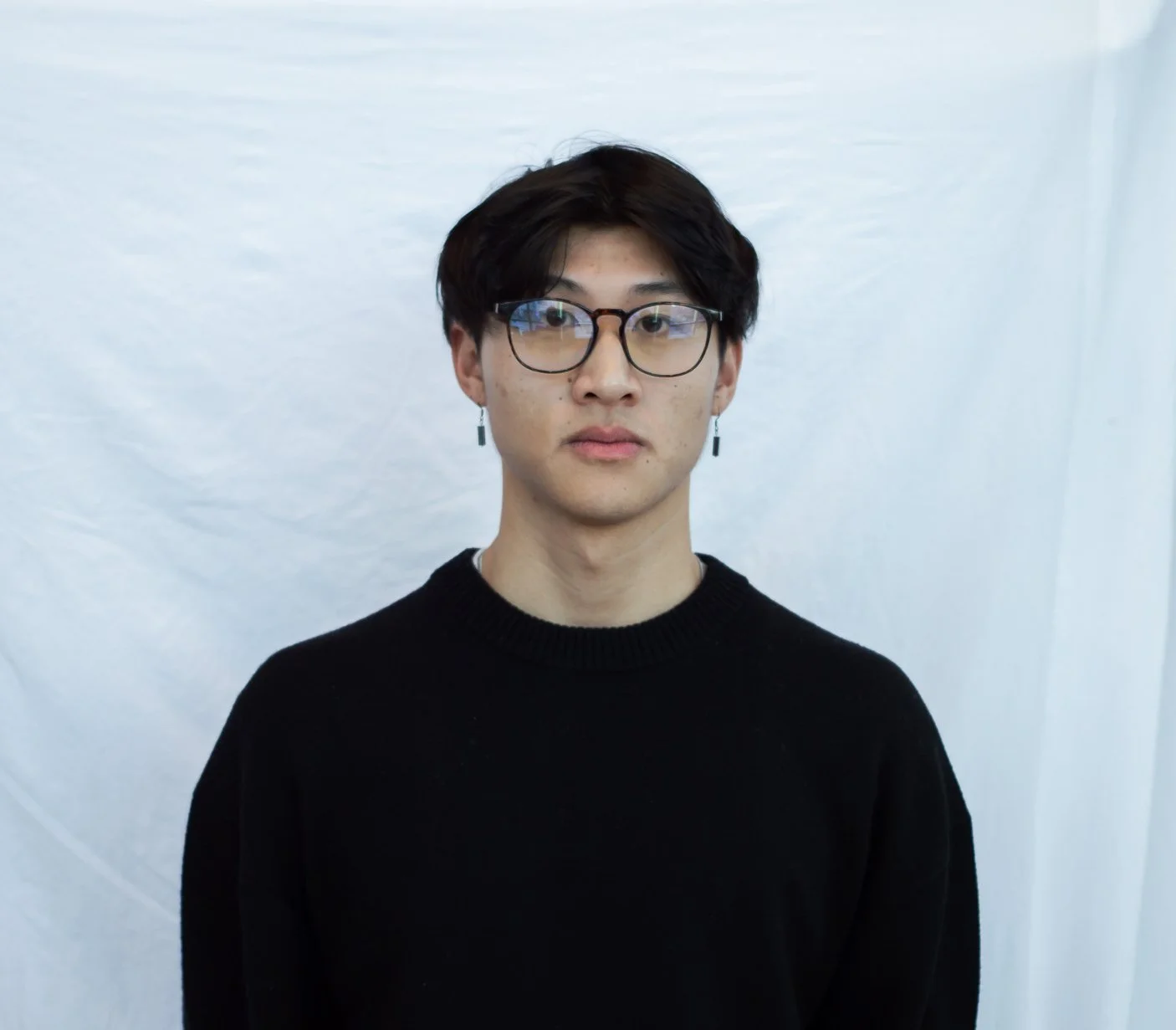
Brandon Vang
VangMD
Hi, My name is Brandon Vang (he/him), I am a 4th year here at UM studying Earth and Environmental Sciences. I am from Traverse City, Michigan and am interested in the fields of Ecology and Oceanography research amongst other things such as the Arts! I hope you enjoy my work!
-
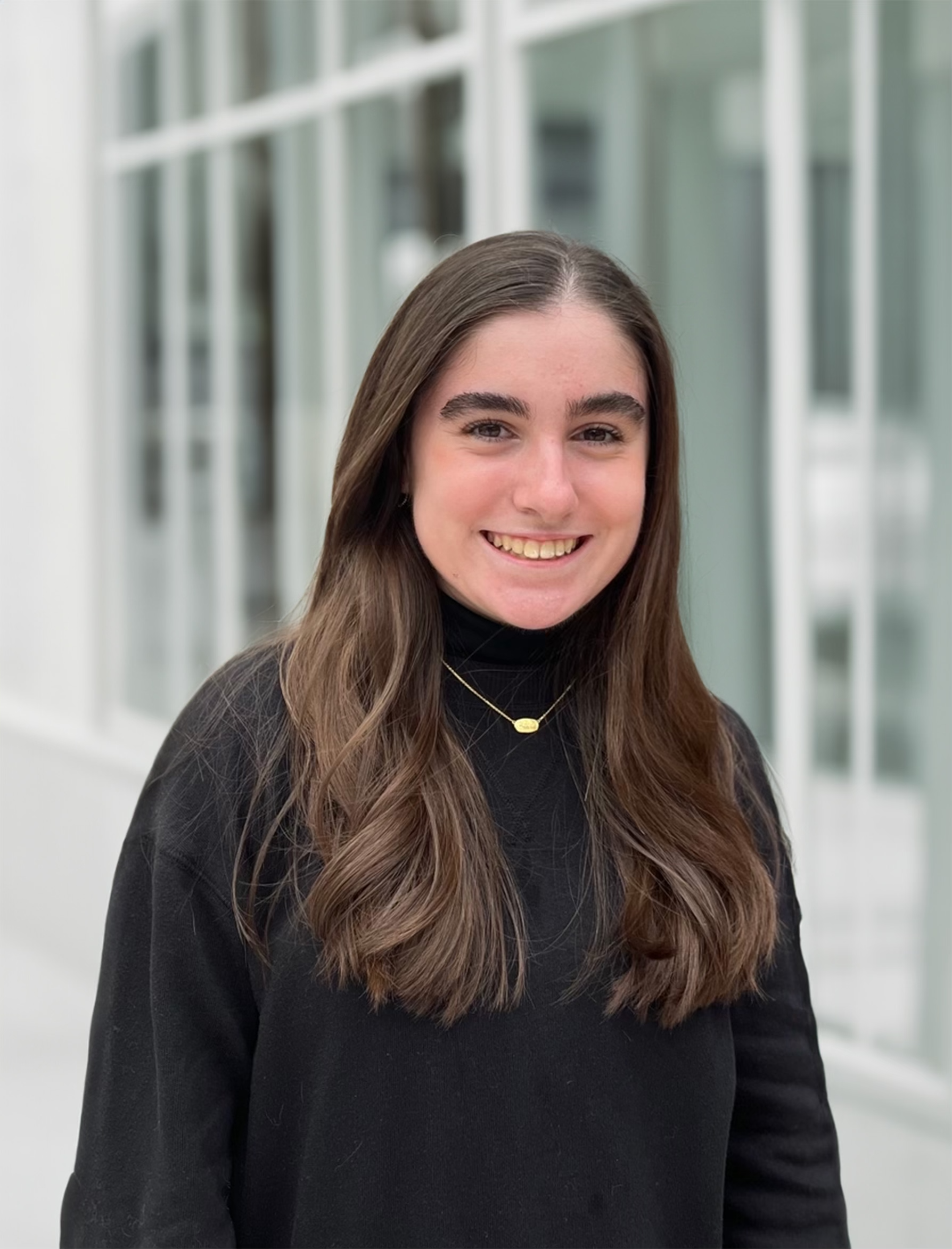
Ashlyn Perry
When Health Can Hide
Ashlyn Perry (she/her)
I am a first-year undergraduate student from the suburbs of Philadelphia, Pennsylvania. I am studying Movement Science in the School of Kinesiology where I am also a Research Assistant. I have a strong interest in disability studies and advocacy, along with public health and public policy. Outside of academics I enjoy volunteering as a peer-buddy with the Best Buddies Program, serving in the Ann Arbor community with the Michigan Community Scholars Program (MCSP), and contributing to several other organizations here on the U-M campus.
-
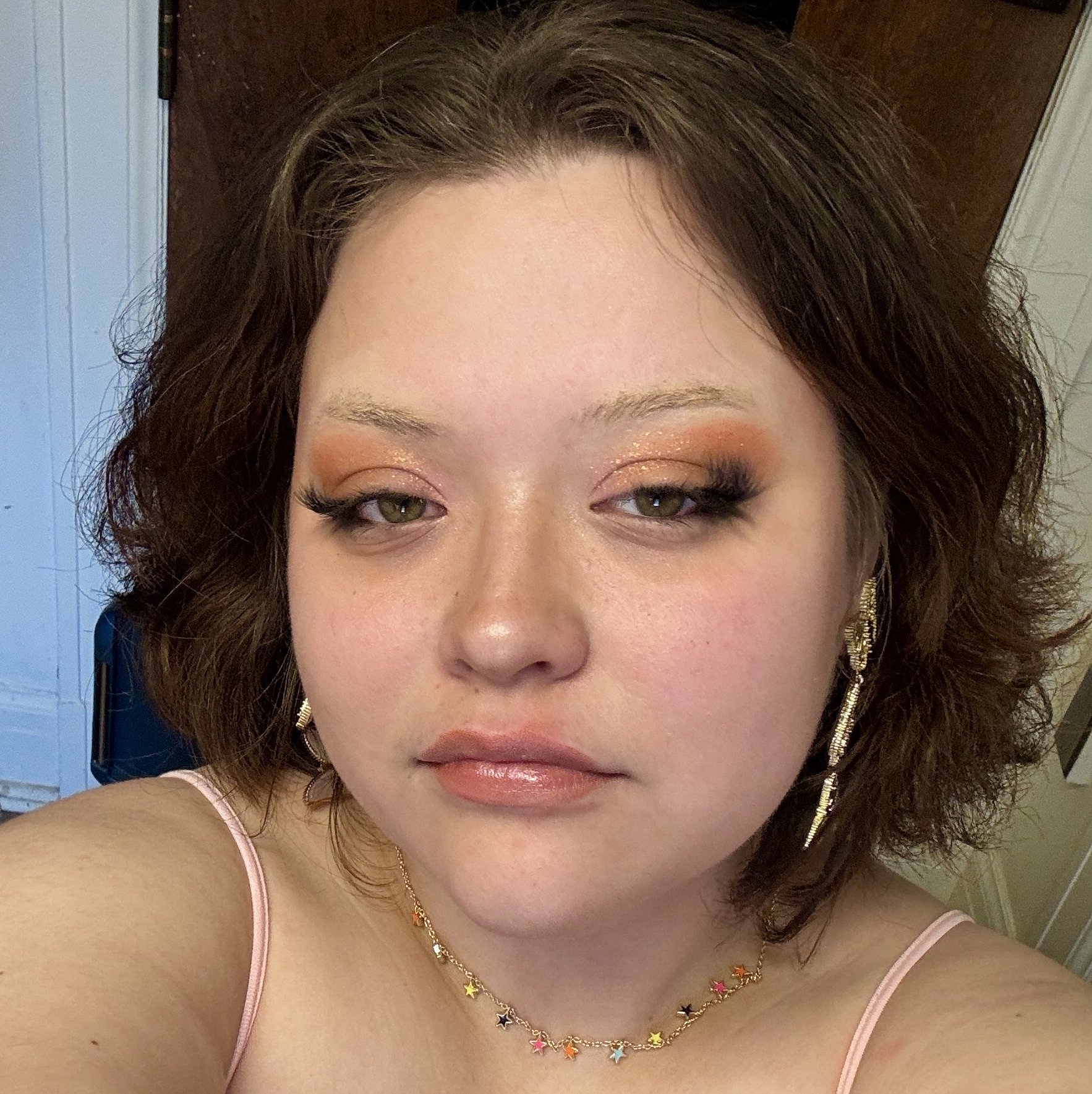
Grace Sirman
A Comfortable Prison
My name is Grace (she/her), and I'm a junior studying at the Stamps School of Art and Design. I'm a Mexican girl from Texas who loves to incorporate both my Mexican and my disabled identities in my artwork. I primarily illustrate digitally, but still create traditional work with colored pencils and gouache. I hope to become a visual development artist post graduation.
-
Edward L. Platt, Ph.D.
Inclusion Reinterpreted
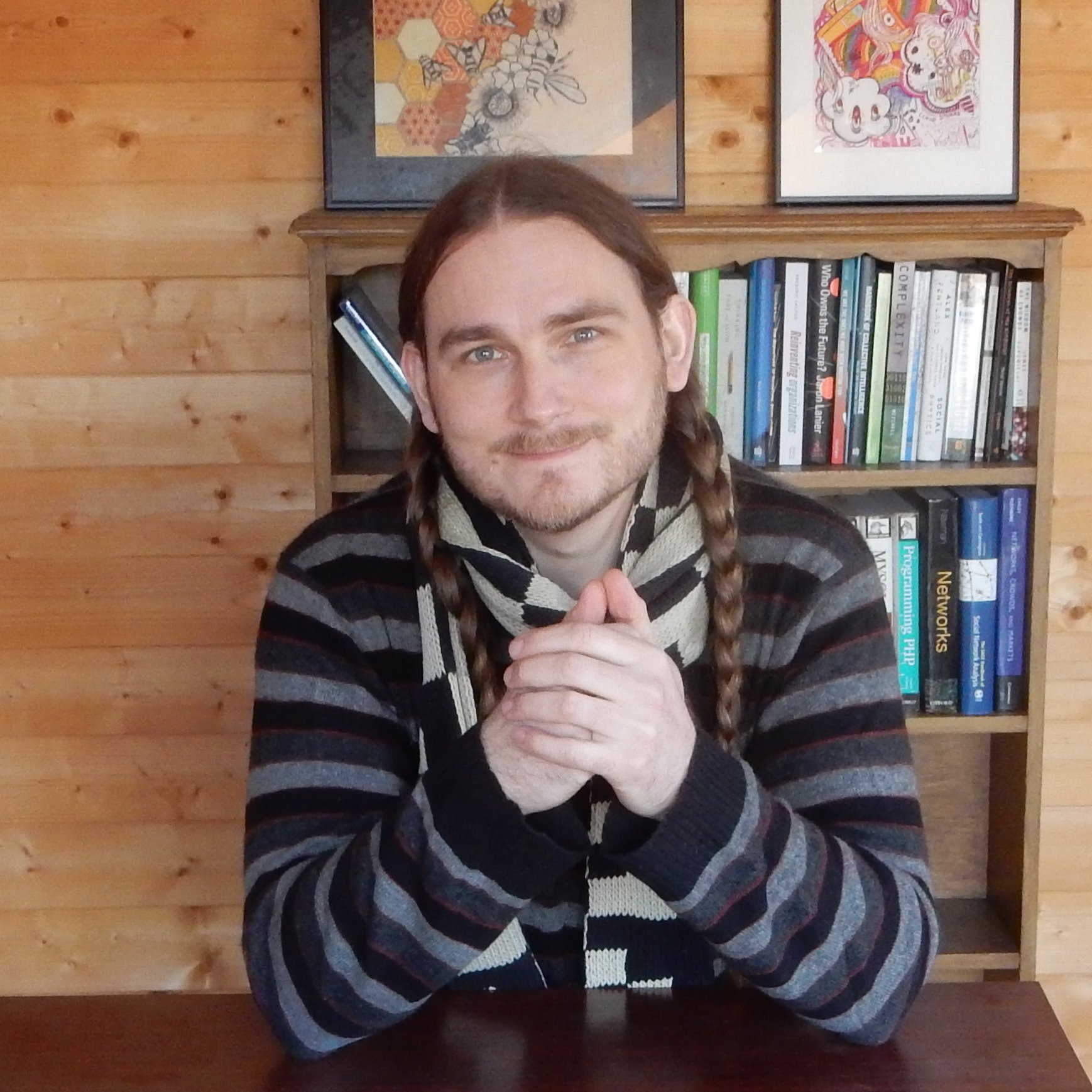
Edward (he/they) completed his Ph.D. in Information Science in 2022. He lives in Ann Arbor with his partner, child, and cats. Since graduation, he has started a consultancy working with researchers and non-profits on cooperative governance and Free/Open-Source Software.
-

Eva Goren
An MCAT Personal Statement
Eva Goren (she/they)
I am a third year undergraduate student at the University of Michigan's LSA school pursuing Biopsychology and the Middle East. I hope to attend medical school after completing my B.S. In my free time I enjoy listening to podcasts, cooking with friends, and water coloring with my roommate.
-

Thomas (Tom) Richey
Narcolepsy
Thomas (Tom) Richey (he/him) is a Doctorate of Family Nursing Practice candidate at the University of Michigan, with a tentative graduate date of May 2025. Tom is passionate about providing healthcare services to underserved and marginalized populations. As a National Health Services Corps Scholar, Tom is seeking to dedicate his life to empowering the communities in which he will have the privilege of serving as a primary care provider.
-
Lulu Hirschfield
Big
Lulu Hirschfield
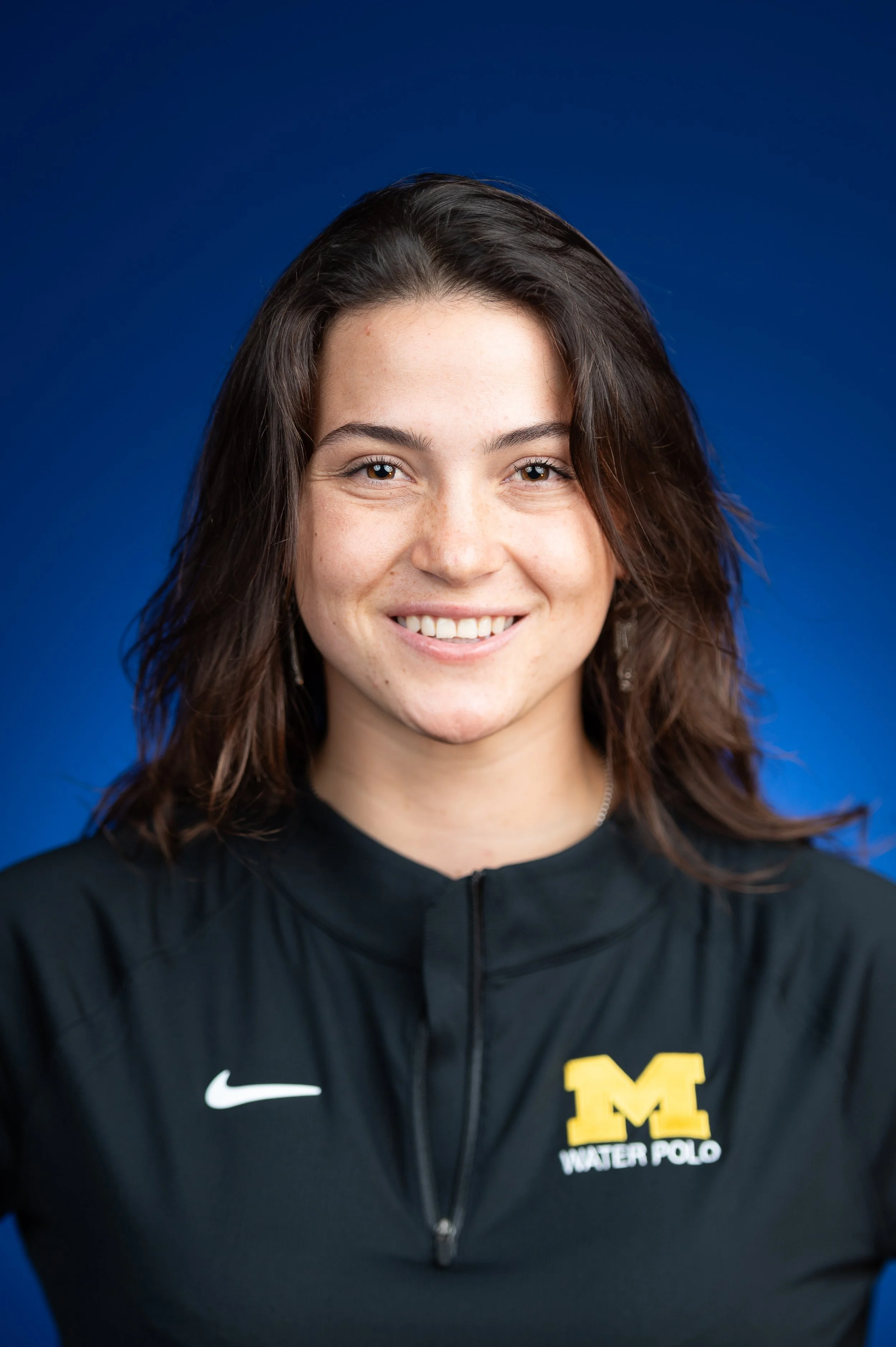
Hi all! I am a second year student here at the University of Michigan. I grew up in sunny San Diego, California and decided to come to U of M to pursue my dreams of being a D1 athlete where I compete here on the women's varsity water polo team. Currently studying Exercise Science, and thoroughly enjoying it, I am still unsure what my aspirations are for the future. As for right now I'm just trying to learn as much as possible and one day be back in California to surf!
-
Abbie Stochmal
Scatterbrain
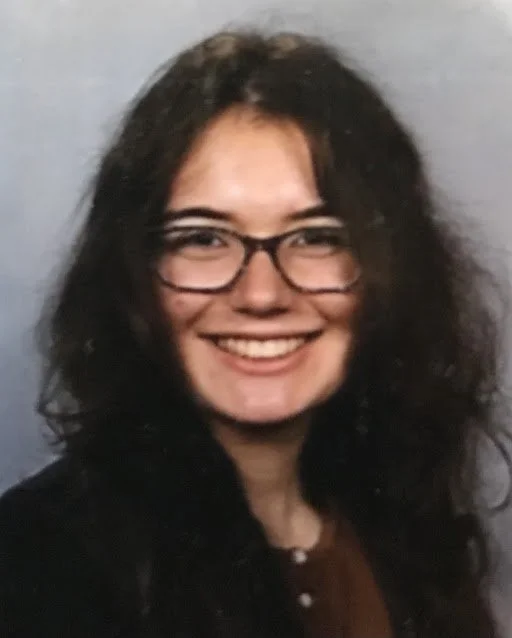
Abbie Stochmal (she/they) is part of the class of 2027 in the University of Michigan's LSA program. She plans to double major in psychology and neuroscience. With these degrees, she hopes to be able to help destigmatize neurodivergence in the medical field and work towards dispelling inaccurate research on marginalized populations in regards to neurodivergence as well. In their free time, they enjoy drawing, photography, and reading outside.
-
Megan Pouncy
Running Differently
Megan Pouncy
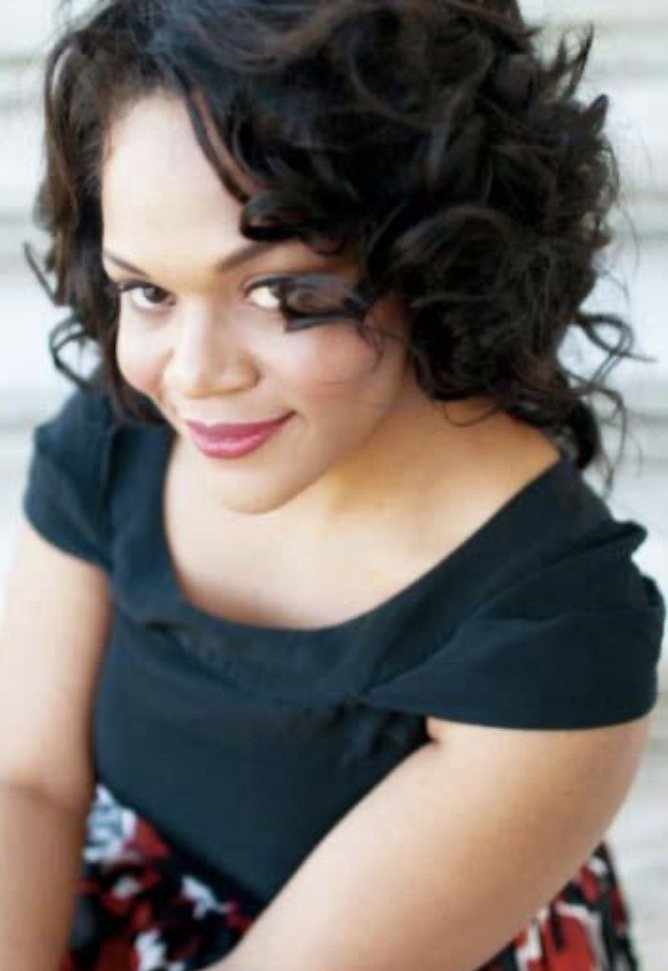
First and foremost I am an artist. Before pursuing my masters in data science at the University of Michigan I received a B.F.A from the College for Creative Studies and my work has been shown at Detroit area galleries, exhibition spaces and even the Detroit Institute of Arts. I have the skills to creatively represent anything I'd do in a 2D format. Because of this, it may seem counterintuitive that I used the aid of AI to complete this drawing but I was quite glad that I did. I now have vision and physical limitations that limit my ability to create works of art. At times it is difficult for me to complete works that require long periods of continuous focus, sitting, or standing. By starting the sketch on my own and then using AI to complete it, I was able to express my concepts in a way that worked with my needs.
AI is a game changer for creators with disabilities. It provides access to creating expressive works of art to those who have difficulty with coordination, those who may have cognitive limitations, focus deficits, difficulty visualizing (seeing pictures in their head) as well as those with a range of vision deficits and beyond. Having access to be expressive in this way can improve quality of life through creative expression. The ability to create works of art can allow one to build a new hobby, create a source of income from their artwork, and even receive the calming and therapeutic benefits that accompany self-expression and creativity. These benefits would be missed without access to AI tools.
I used Adobe products to create this image. I uploaded my own sketch drawing for starters and selected style influences from the Adobe gallery. I then entered the prompt "this is a black woman with an Afro running in a race with a parachute on her back while others run in the race unhindered."
Community is a need for the entirety of humanity. More and more studies show that being a part of a community is critical to our own health and longevity. This need is more important than ever for those with disabilities who often contend with multiple health challenges on a daily basis. Having a sense of community eases the burdens of navigating a world largely not designed to support those with disabilities by offering a framework for support and belonging. Community support is not just critical to navigate the daily ins and outs that life brings but also provides those with disabilities safe spaces where our identities aren't constantly challenged by those who see our disability first. Individuals living with a disability are humans first and should be honored as that rather than being met with assumptions about their identity and abilities - or worse yet, faced with bullying or ridicule. Having a safe space to just exist as a human is everything.
-
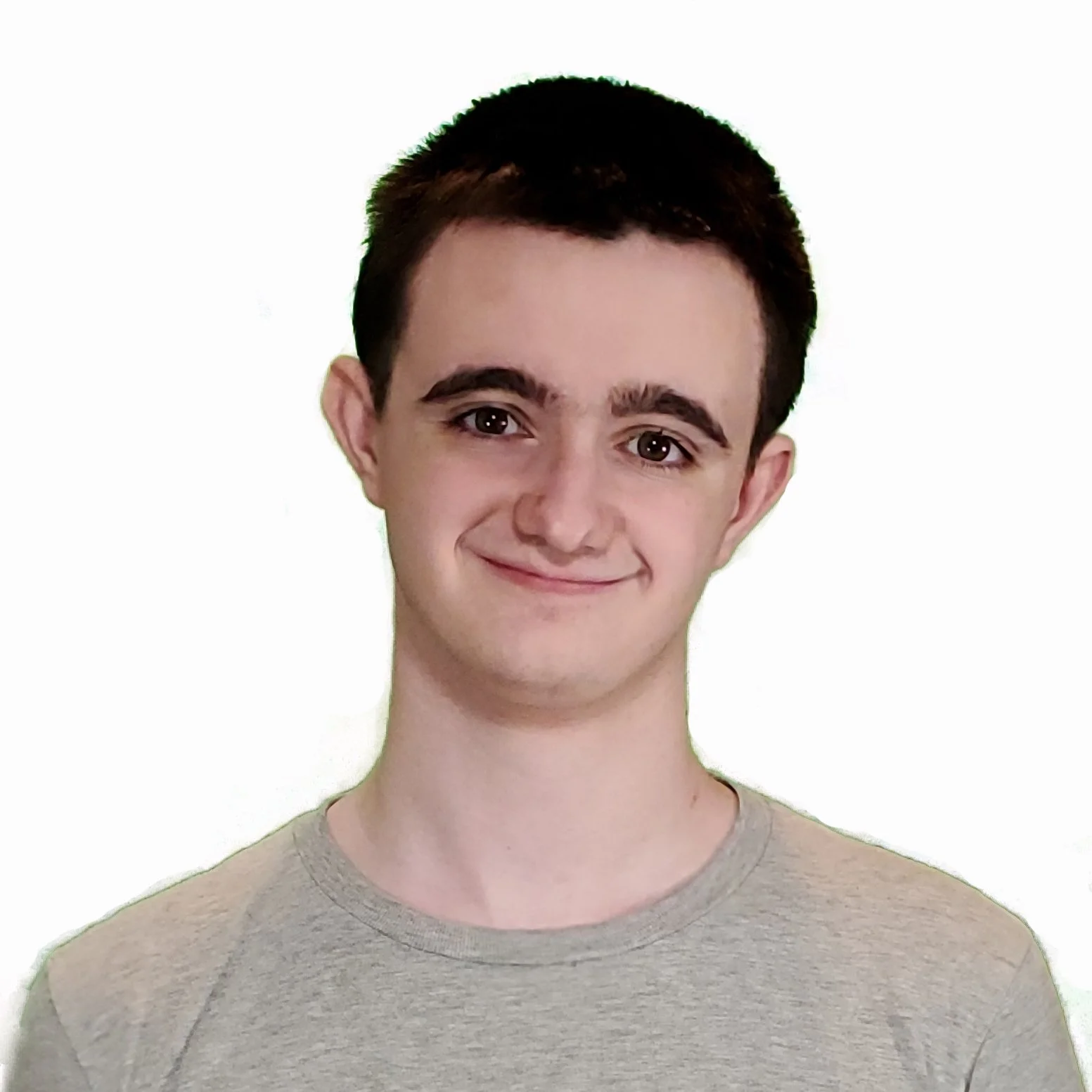
Alec Korotney
Nobody Can Define My Tourette's
Alec Korotney (he/him)
Michigan Engineering Graduate
-

Matthew Prock
Sensory Overload
-

Eugenia Shapiro
Do we have food at home?
Eugenia Shapiro (she/they) is the pen name of a certain Ukrainian Jewish masters student at the University of Michigan. Shapiro is an autistic writer and literary scholar with an interest in speculative fiction and Jewish inspired fantasy on both a personal and academic level. One can find her reading, drinking far too much coffee, and studying languages around central campus. She's delighted to share her disability related work in this anthology!
-
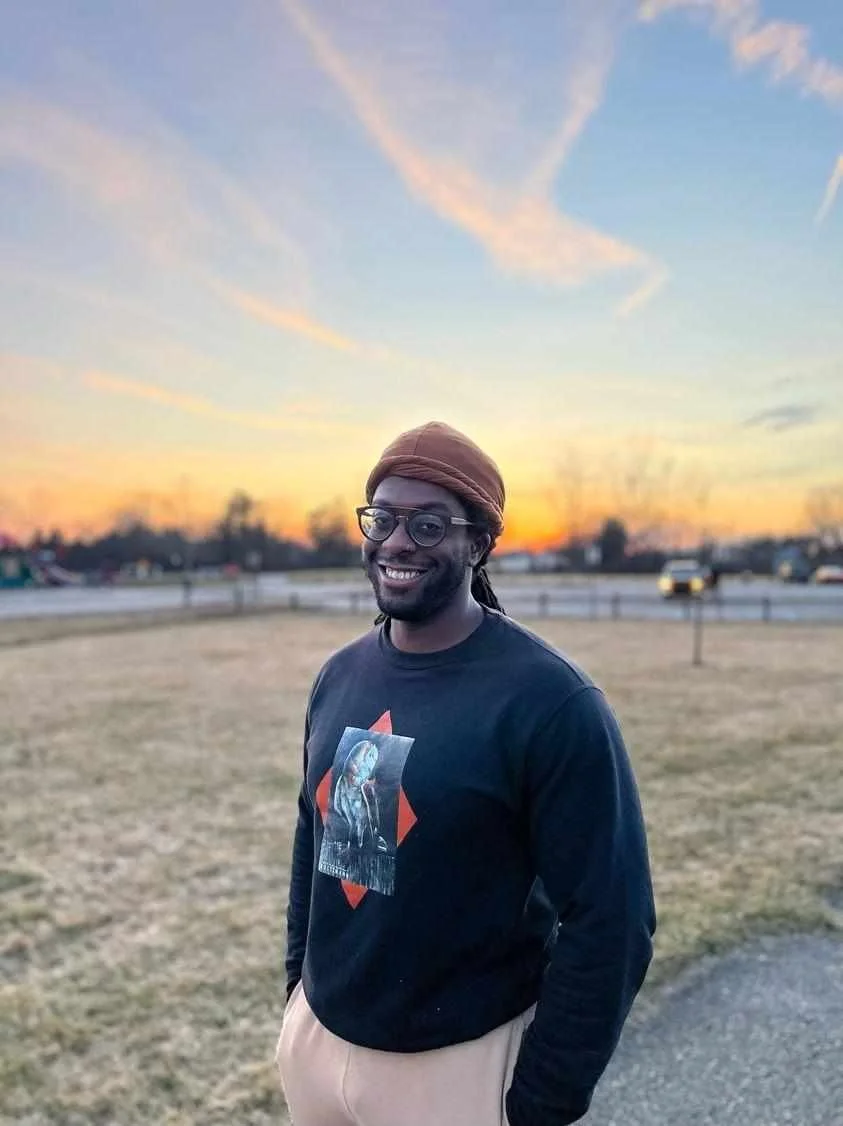
Marquise Griffith
Initiation
Marquise is a doctoral student in the Joint English and Education program. He wears hearing aids as a result of severe hearing loss. Being a Deaf Black man informs his research into how intersectional trauma and healing happens both within the body and community.