
Accessing Disability Culture
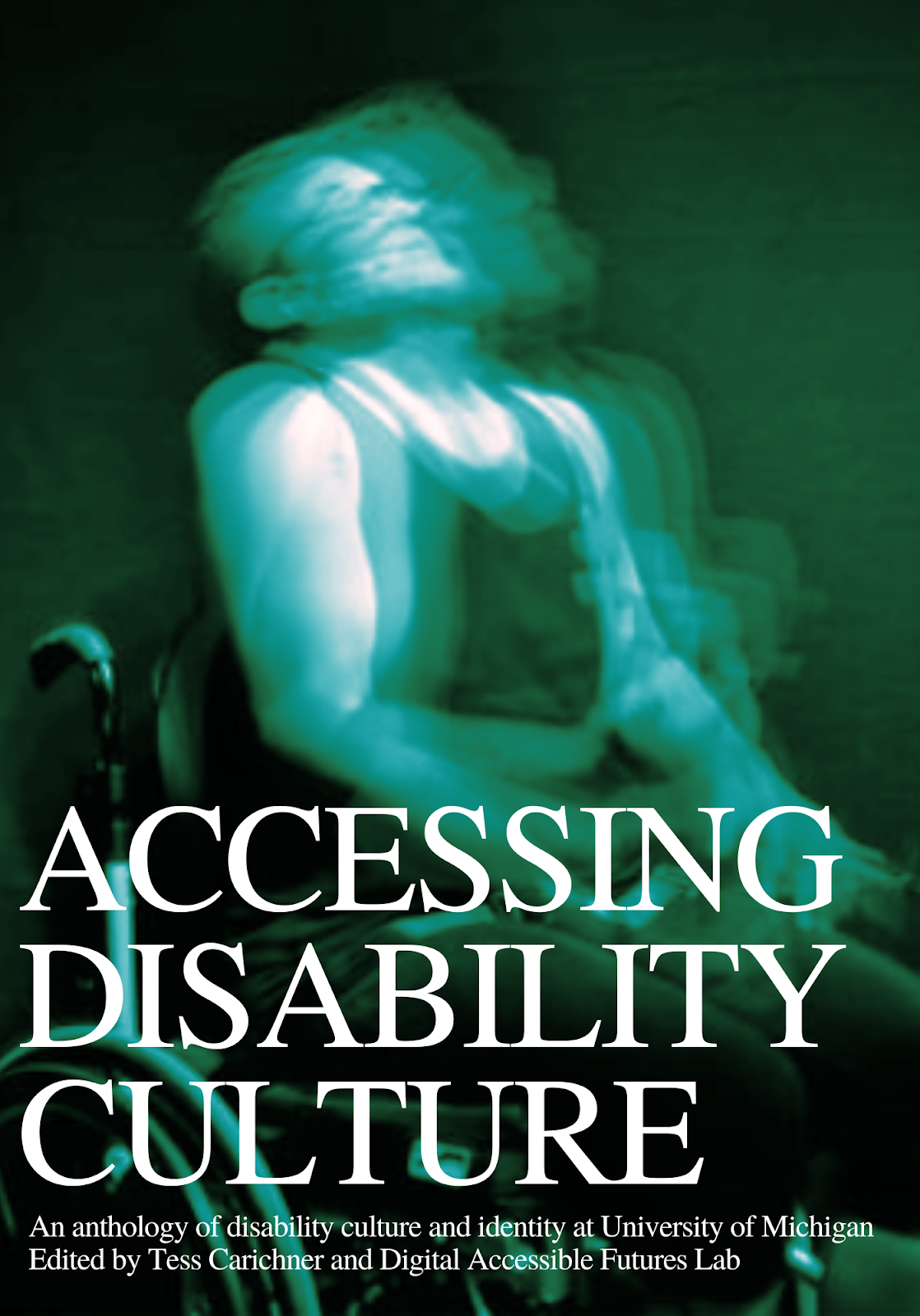
Accessing Disability Culture is a reflection of experience, resistance to ableism, and documentation of disabled / neurodivergent / chronically ill / Deaf students at the University of Michigan. The idea for the project evolved over several years, but first sprouted during the Summer of 2022, when I was being mentored by Dr. Remi Yergeau through the Women and Gender Summer Fellowship Program. As a part of my project, I read Loud Hands: Autistic People Speaking, and was enamored as a young neurodivergent student, to see how artfully the “voice” of autistic identity was reclaimed and wielded by the authors of this work. Who better to tell our stories than ourselves? Just before this book, I had read Asperger’s Children, and continued diving into autistic history, consequently mourning the generations of medical abuse, social death, and erasure of autistic and other disabled kin ancestors. How, I began to wonder, are ableist structures within academic institutions, or any other institution, to change, when dominant narratives on disability are not dictated by the people they affect the most? My hope is that Accessing Disability Culture is a way of translating our realities as disabled students into the understanding of not only allies looking to contribute to the advancement of disability equity, but also to other disabled students searching for a disability cultural anchor at University of Michigan.
You will notice an array of positionalities, identities, and opinions in this anthology, which reflects the diverse nature of the disability community. Additionally, you will distinguish the variety of mediums - photography, installation, essay, poetry, digital design, and more. A prerequisite to inclusion in this collection was accessibility and freedom of diverse expression in the submission. Throughout each step of the process, accessibility experts in the Digital Accessible Futures lab worked alongside contributors to make pieces accessible. Additionally, in our call for submissions, we specifically focused on keeping prompts relatively open, noting our values for intersectional experiences and accessibility, but trusting in the direction of individual creators. As a result, the themes are nuanced and intertwined, depicting disabled embodiment and life, grappling with inaccessibility of the University as disabled students subjected to academic ableism, and asserting crip wisdom, joy, interdependency, and overall - disability culture. In Accessing Disability Culture, we control our own narratives. Disabled students of the University of Michigan celebrate community, acknowledge the distance between our current experiences and disability justice, and dream of an accessible future.
Sincerely,
Tess Carichner, lead editor of Accessing Disability Culture